
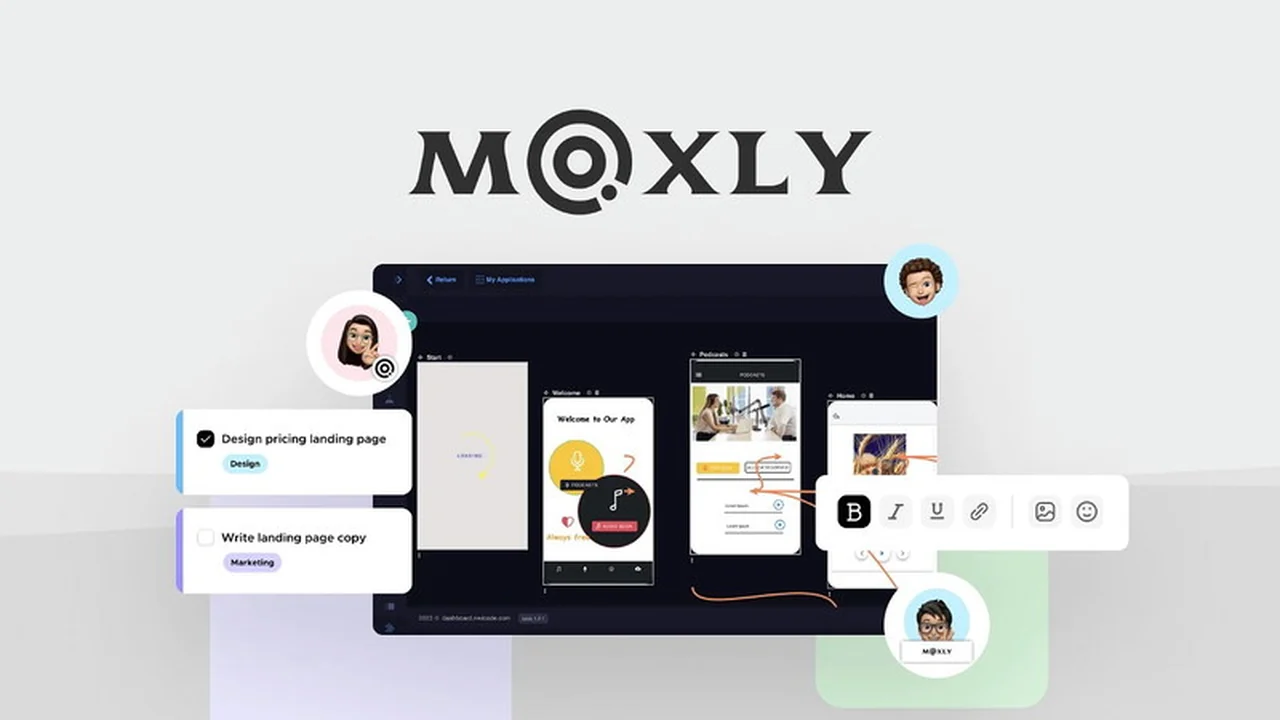
Developing mobile applications can be a complex and time-consuming endeavor, often requiring specialized skills and significant investment. Fortunately, platforms like Moxly are emerging to simplify this process for businesses and individuals alike.
This review will delve into what Moxly offers, its core functionalities, and how it can empower you to build sophisticated mobile applications with greater efficiency. We’ll explore its features, usability, and the value it brings to app development.
What is Moxly | AppSumo
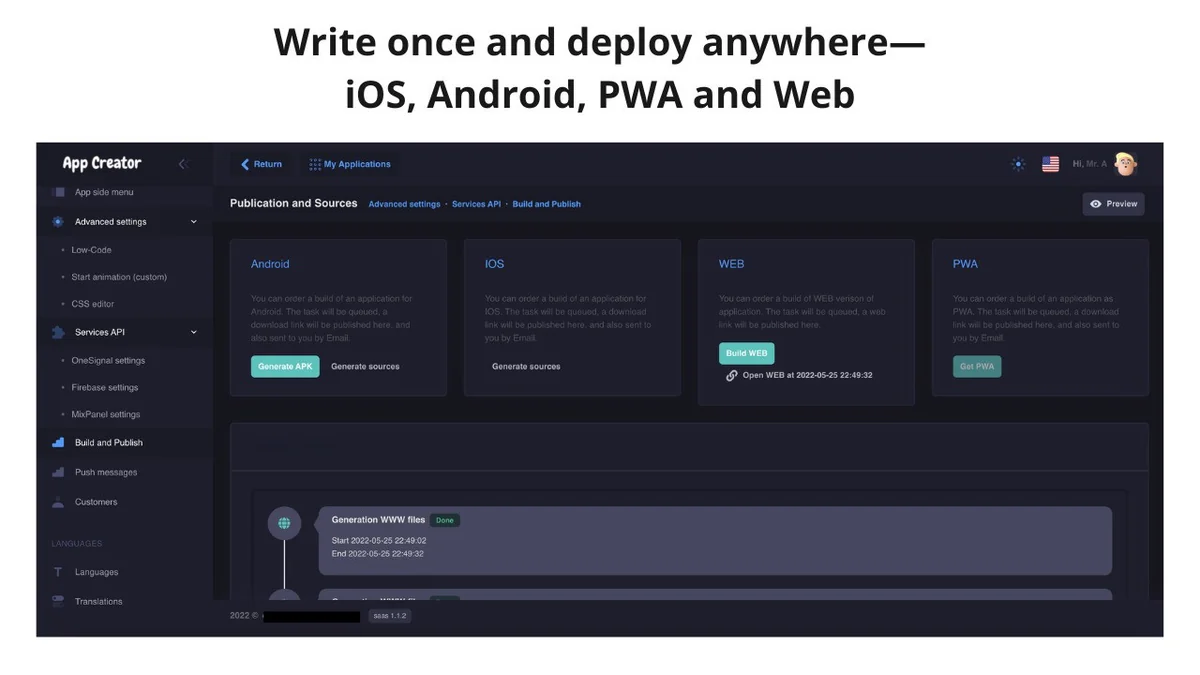
Moxly is positioned as the next generation mobile app development platform designed to meet the growing demand for mobile presence across businesses. It aims to empower existing teams to build applications using familiar tools while also enabling users without extensive coding experience to achieve impressive results. The platform emphasizes a ‘write once, deploy anywhere’ philosophy, supporting deployment to iOS, Android, Progressive Web Apps (PWAs), and the Web.
Key Features
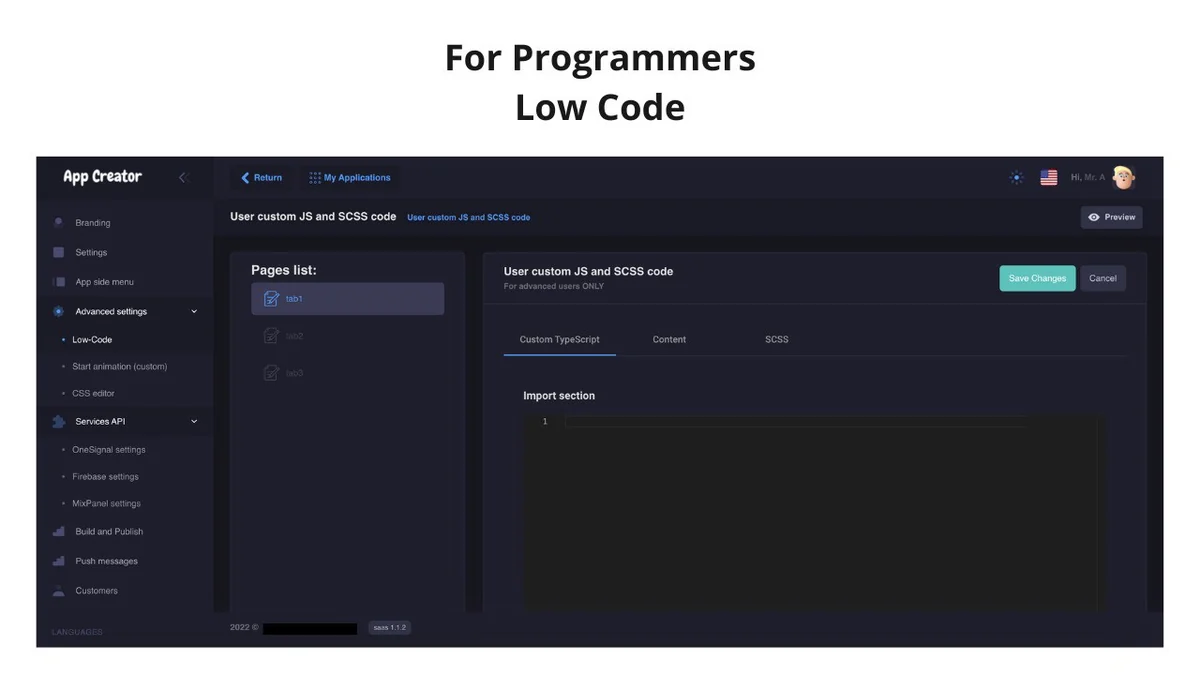
- No-code, Low-code, and Open Source: Moxly integrates all these development approaches within a single interface, offering flexibility for different user skill levels and project needs.
- Cross-Platform Deployment: Build an application once and deploy it across multiple platforms including iOS, Android, and Web, significantly reducing development time and cost.
- Direct Deployment Capabilities: Publish directly to the Apple App Store, Google Play Store, or the Web. Applications can also be loaded directly onto devices for testing.
- Managed Compliance: Moxly handles platform compliance updates from Google and Apple under the hood, ensuring your application remains up-to-date and available.
- Built-in Components: Comes with a variety of default JavaScript components, CSS components, and Ionic capacitor plugins to cover common mobile app functionalities.
- Database Integration: Supports building applications with a database, not just static templates, allowing for dynamic content and functionality.
How It Works
Moxly simplifies the app development process by providing a unified environment that caters to both technical and non-technical users. For those new to coding, the platform offers intuitive no-code interfaces. Developers can leverage low-code options for more customization or directly integrate open-source code when needed. The platform includes pre-built components for common features, which can be assembled and configured to create an application. Deployment is streamlined, with options for direct publishing to app stores and the web, or direct device loading.
Use Cases
- Creating internal business tools and applications.
- Developing customer-facing mobile apps for various industries.
- Building e-commerce applications with dynamic product catalogs.
- Prototyping and testing new app ideas rapidly.
- Empowering teams to build apps without relying solely on dedicated developers.
Integrations & Compatibility
- Moxly is designed to be a comprehensive development solution
- It incorporates components and plugins from Ionic, ensuring compatibility with widely used web technologies
- While native integration with specific CMS platforms like Webflow for real-time database synchronization is not explicitly stated as native support, the platform’s architecture suggests possibilities for data management and connection through its database capabilities and potential API interactions
- The platform also aims to integrate with tools that can help generate code, such as ChatGPT, for specific functionalities.
Pricing & Value
The value proposition of Moxly lies in its ability to significantly reduce development time and costs. By enabling users to build once and deploy everywhere, it offers an efficient alternative to traditional app development methods. The platform democratizes app creation by making it accessible to individuals with varying technical backgrounds, potentially reducing the need for expensive developer hires or outsourcing. Its all-in-one approach, combining no-code, low-code, and open-source options, provides a flexible and cost-effective solution for bringing mobile applications to life.
Deal Details
The Moxly deal, often found on platforms like AppSumo, typically includes access to different plan levels, such as Starter and Pro, with options for unlimited apps depending on the number of codes purchased. Benefits often extend to all future plan updates. A key aspect of these deals is a redemption period, usually within 60 days of purchase, to activate your codes and access the full features of the platform.
Quick Take
- Ideal for entrepreneurs, small businesses, and product managers looking to rapidly build and deploy mobile applications.
- Offers a flexible development environment catering to users with no coding experience to seasoned developers.
- Provides a cost-effective solution for creating cross-platform applications, saving time and resources.
FAQs
What if I need to export the source code of my Moxly application?
The platform allows for the export of application templates, and often the source code is accessible for the final product.
Is there a beginner-friendly guide or video for the no-code aspect of Moxly?
New video content is being released on their forum and Telegram channel to assist users.
Will Moxly be available as a Plus exclusive deal again?
Past deal availability as a Plus exclusive is not a guarantee of future offerings.
How do I redeem multiple codes for Moxly?
You typically redeem codes through the platform’s account or a specific redemption portal provided by the deal vendor.
Can I integrate Webflow CMS data into Moxly’s database natively?
Native integration for real-time Webflow CMS data synchronization is not explicitly detailed as a direct feature.
Final Thoughts
Moxly presents a compelling solution for anyone looking to develop mobile applications efficiently and affordably. Its combination of no-code, low-code, and open-source capabilities, along with direct deployment features, makes it a versatile platform. While some users might desire more extensive documentation or specific integrations, the core functionality and potential for rapid development are significant. The platform’s ability to democratize app creation, allowing a wider range of users to build and deploy, positions it as a valuable tool in the current digital landscape.